Terraform

Infrastructure as Code with Ansible and Terraform

Infrastructure as Code with Ansible and Terraform

Ansible, Terraform, and the IaC Decision for Hyper-V

Post 19 built an automation practice around PowerShell , modules, DSC v3, CI/CD pipelines. For many organizations, that’s enough. PowerShell is native, it’s free, it covers 100% of Hyper-V functionality, and your Windows team already knows it.

But some organizations have standardized on Ansible for configuration management across Linux and Windows. Others use Terraform for all infrastructure provisioning. And some want both , Terraform for creating resources, Ansible for configuring them. The question isn’t “which tool is best” , it’s “which tool fits your team, your existing investments, and your Hyper-V use case.”
Deploying Azure Stack HCI OS using Canonical MAAS

Deploying Azure Stack HCI OS using Canonical MAAS

Automating the Deployment of Azure Stack HCI Series

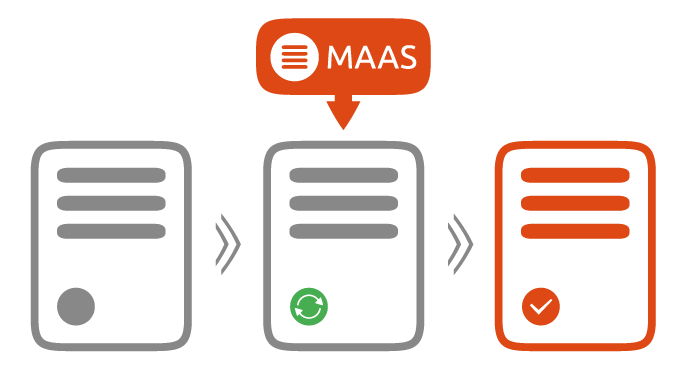
There are several methods to deploy an Azure Stack HCI OS Image. You can use solutions like System Center Configuration Manager (SCCM/ConfigMgr), Microsoft Deployment Toolkit (MDT), Windows Deployment Services (WDS), or other Infrastructure as Code (IaC) tools like Terraform and Ansible, with the appropriate configurations. Additionally, Canonical offers a solution called MAAS (Metal-As-A-Service).

Throughout my career, I’ve generally preferred Microsoft solutions for deploying Microsoft Operating Systems, favoring tools like MDT and WDS. However, my current company isn’t a Microsoft-centric environment. Instead, they use Terraform and Ansible for IaC, which I’m not very experienced with, but I’m open to learning.